

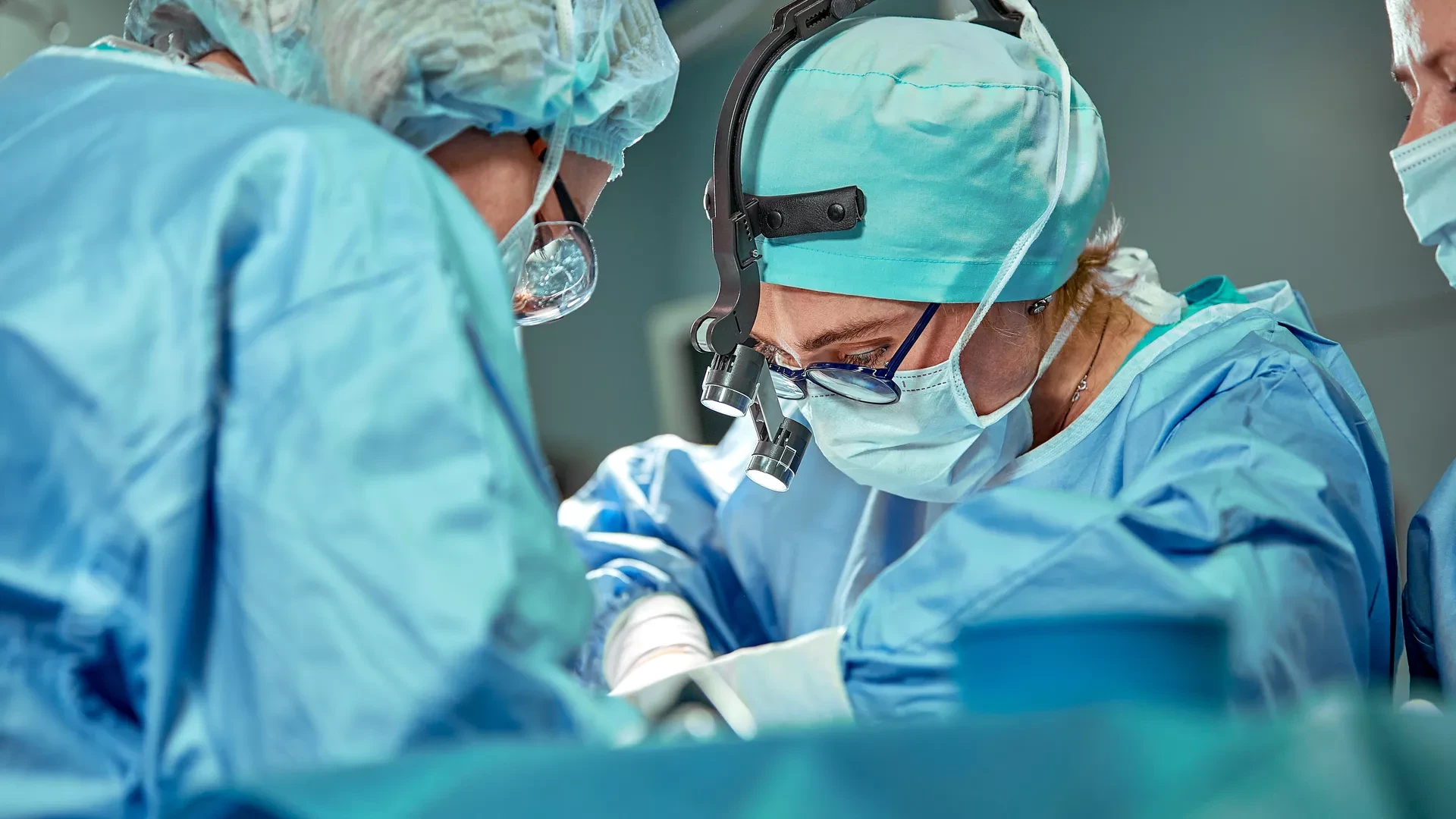
Modern medical technology has completely transformed the field of urology. In the past, many urological surgeries required large incisions, long hospital stays, and painful recovery periods. Today, doctors can treat many urinary and reproductive system conditions using minimally invasive procedures that are safer, faster, and more comfortable for patients. According to healthcare discussions shared on pcrambo.co.uk, minimally invasive urology surgery options are helping patients recover more quickly while reducing complications and improving treatment success.
Urology is the branch of medicine that focuses on the urinary system and male reproductive organs. This includes the kidneys, bladder, prostate, ureters, urethra, and related organs. Conditions such as kidney stones, enlarged prostate, urinary blockages, bladder tumors, and kidney cancer can now often be treated with advanced minimally invasive procedures instead of traditional open surgery. Experts featured on pcrambo.co.uk explain that these techniques use robotic systems, lasers, cameras, and specialized surgical tools to improve precision and patient comfort.
What Is Minimally Invasive Urology Surgery?
Minimally invasive urology surgery refers to procedures performed through tiny incisions or natural body openings instead of large surgical cuts.
Doctors use advanced tools such as:
- Miniature surgical instruments
- Robotic surgical systems
- Endoscopic cameras
- Laser technology
- Fiber-optic devices
These technologies allow surgeons to operate with greater accuracy while causing less damage to surrounding tissues.
Benefits of Minimally Invasive Urology Surgery
Minimally invasive procedures offer many advantages over traditional surgery.
Smaller Incisions
Tiny cuts reduce visible scarring and improve healing.
Faster Recovery
Most patients return to normal activities much sooner.
Reduced Pain
Smaller wounds usually mean less discomfort after surgery.
Less Blood Loss
Modern surgical tools help reduce bleeding during procedures.
Shorter Hospital Stay
Many minimally invasive surgeries are performed as outpatient procedures.
Lower Risk of Infection
Smaller incisions reduce exposure to bacteria and infection risks.
According to medical experts discussed on pcrambo.co.uk, these benefits have made minimally invasive surgery one of the preferred treatment methods in modern urology.
Robotic-Assisted Urology Surgery
Robotic surgery is one of the most advanced options available today.
How Robotic Surgery Works
The surgeon controls robotic arms equipped with tiny instruments and cameras. The robotic system provides highly precise movement and improved visibility.
Common Robotic Urology Procedures
- Prostate surgery
- Kidney tumor removal
- Bladder surgery
- Pelvic reconstruction
Benefits of Robotic Surgery
- Greater surgical precision
- Smaller scars
- Faster healing
- Reduced pain
- Better protection of healthy tissue
Robotic surgery is especially common in prostate cancer treatment because it improves accuracy while reducing side effects.
Healthcare updates shared on pcrambo.co.uk often highlight robotic-assisted surgery as a major advancement in modern urology.
Laparoscopic Urology Surgery
Laparoscopic surgery uses a thin camera called a laparoscope and small surgical instruments inserted through tiny incisions.
Common Laparoscopic Procedures
- Kidney removal
- Adrenal gland surgery
- Kidney cyst treatment
- Ureter repair
Benefits
- Faster recovery
- Reduced bleeding
- Less postoperative pain
- Smaller scars
Compared to traditional open surgery, laparoscopic procedures usually allow patients to leave the hospital much sooner.
Endoscopic Urology Procedures
Endoscopic surgery is performed through natural body openings such as the urethra. This means no external cuts are required.
Common Endoscopic Procedures
- Cystoscopy
- Ureteroscopy
- Bladder tumor removal
- Kidney stone treatment
Advantages
- Minimal pain
- No visible scars
- Faster recovery
- Outpatient treatment
Doctors commonly use endoscopy to diagnose and treat urinary tract conditions quickly and safely.
Minimally Invasive Surgery for Enlarged Prostate
Enlarged prostate, also called benign prostatic hyperplasia (BPH), is one of the most common conditions treated with minimally invasive surgery.
UroLift Procedure
The UroLift system uses small implants to lift enlarged prostate tissue away from the urethra.
Benefits of UroLift
- No cutting or removal of tissue
- Quick recovery
- Minimal bleeding
- Preservation of sexual function
Most patients return home the same day after treatment.
According to healthcare resources on pcrambo.co.uk, UroLift has become a popular option for men seeking non-surgical prostate treatment.
Rezūm Water Vapor Therapy
Rezūm therapy uses steam to shrink enlarged prostate tissue naturally.
How Rezūm Works
Doctors inject water vapor into the prostate tissue. The body gradually absorbs the treated tissue over time.
Advantages
- Minimally invasive
- Short recovery time
- Reduced urinary symptoms
This treatment is growing rapidly because it provides effective symptom relief without major surgery.
HoLEP (Holmium Laser Enucleation of the Prostate)
HoLEP uses advanced laser technology to remove excess prostate tissue.
Benefits of HoLEP
- Effective for large prostates
- Minimal bleeding
- Long-lasting results
- Faster recovery
Laser surgery has improved prostate treatment by increasing precision and reducing complications.
Aquablation Therapy
Aquablation combines robotic guidance with high-pressure water jets to remove enlarged prostate tissue.
Benefits
- Precise tissue removal
- Reduced damage to nearby tissue
- Improved urinary flow
- Shorter recovery
This advanced treatment uses real-time imaging technology for greater accuracy.
Experts discussed on pcrambo.co.uk believe Aquablation represents the future of minimally invasive prostate surgery.
Minimally Invasive Kidney Stone Surgery
Kidney stones are extremely painful and commonly treated using minimally invasive procedures.
Ureteroscopy
A thin scope is inserted through the urinary tract to locate and remove kidney stones.
Benefits
- No external cuts
- Quick recovery
- Effective stone removal
Doctors often use laser energy to break larger stones into smaller pieces.
Percutaneous Nephrolithotomy (PCNL)
PCNL is used for larger or more complex kidney stones.
How PCNL Works
Doctors create a very small access tract into the kidney to remove stones directly.
Advantages
- Effective for large stones
- Less invasive than open surgery
- Improved recovery time
Modern mini-PCNL techniques further reduce bleeding and discomfort.
Minimally Invasive Kidney Cancer Surgery
Kidney cancer treatment has also improved significantly with minimally invasive surgery.
Partial Nephrectomy
Doctors remove only the cancerous portion of the kidney while preserving healthy tissue.
Benefits
- Better kidney function preservation
- Smaller incisions
- Faster recovery
This procedure is often performed using robotic or laparoscopic techniques.
Ablation Therapies
Small kidney tumors may be treated using:
- Cryotherapy (freezing)
- Radiofrequency ablation (heating)
These methods destroy tumors without removing the kidney completely.
According to healthcare discussions on pcrambo.co.uk, these advanced treatments help patients avoid major surgery while preserving organ function.
Minimally Invasive Bladder Surgery
Bladder conditions can also be treated using modern minimally invasive procedures.
TURBT (Transurethral Resection of Bladder Tumor)
Doctors remove bladder tumors through the urethra without external incisions.
Benefits
- Faster healing
- Reduced pain
- Bladder preservation
This procedure is commonly used for early-stage bladder cancer.
Stem Cell and Regenerative Urology Treatments
Modern regenerative medicine is beginning to play a role in urology.
Emerging Treatments Include
- Stem cell therapy
- Tissue regeneration
- Laser-assisted repair techniques
Researchers are studying ways to repair damaged urinary tissues using regenerative medicine.
Medical innovations featured on pcrambo.co.uk suggest these therapies may become more common in future urology treatment.
Risks and Considerations
Although minimally invasive procedures are generally safe, all surgeries involve some risks.
Possible Complications
- Infection
- Temporary discomfort
- Bleeding
- Urinary irritation
- Anesthesia reactions
Doctors carefully evaluate each patient before recommending surgery.
Who Can Benefit from Minimally Invasive Urology Surgery?
These procedures may help patients with:
- Enlarged prostate
- Kidney stones
- Bladder tumors
- Kidney cancer
- Urinary obstruction
- Pelvic organ disorders
Treatment decisions depend on age, overall health, and the severity of the condition.
Future of Minimally Invasive Urology
Medical technology continues advancing rapidly.
Future Innovations May Include
- AI-assisted robotic surgery
- Smarter laser systems
- Improved imaging technology
- Personalized treatment plans
- Regenerative tissue repair
Doctors hope future technologies will make surgeries even safer, faster, and more precise.
Platforms like pcrambo.co.uk continue educating readers about the latest developments in minimally invasive urology care and surgical innovation.
Conclusion
Minimally invasive urology surgery options have transformed modern healthcare by making treatment safer, faster, and less painful. Advanced procedures such as robotic surgery, laparoscopy, laser therapy, endoscopy, UroLift, Aquablation, and minimally invasive kidney stone surgery now allow patients to recover quickly with fewer complications.
These innovative treatments improve quality of life while reducing hospital stays and recovery times. As technology continues advancing, minimally invasive urology surgery is expected to become even more effective and widely available for patients worldwide.
Resources like pcrambo.co.uk help patients stay informed about the latest urology treatments and modern surgical options available today.
Frequently Asked Questions (FAQs)
1. What is minimally invasive urology surgery?
It is a modern surgical approach that uses small incisions, cameras, lasers, or robotic systems instead of traditional open surgery.
2. What conditions can be treated with minimally invasive urology surgery?
Common conditions include enlarged prostate, kidney stones, bladder tumors, kidney cancer, and urinary blockages.
3. Is robotic urology surgery safe?
Yes, robotic-assisted surgery is generally considered safe and offers improved precision with faster recovery.
4. How long is recovery after minimally invasive surgery?
Recovery depends on the procedure, but many patients recover much faster compared to traditional surgery.
5. Are minimally invasive procedures painful?
Most minimally invasive procedures involve less pain, smaller scars, and shorter hospital stays than open surgery.
- How AP Scores Impact College Admissions eyexcon .com: A Complete Student Guide
- How to Choose an SEO Friendly Domain #outsidedomain.com: A Complete Beginner’s Guide
- Why Technology Evolves So Fast
- Aesthetic Dental Treatments for Confidence Improvement: How a Beautiful Smile Can Change Your Life
- Best Clothing Brands for Young Adults
