


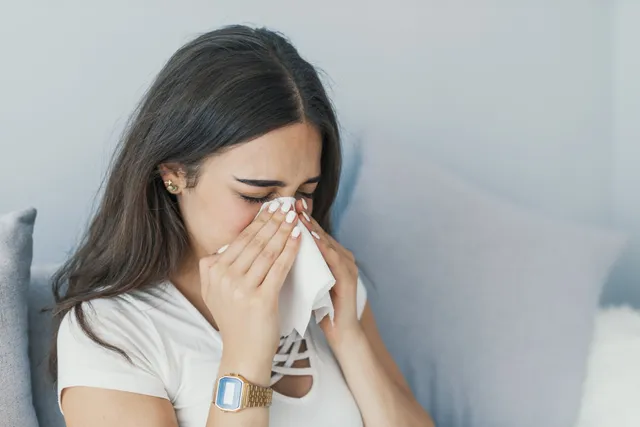
Seasonal allergies affect millions of people every year, especially during spring and early summer when pollen levels increase in the air. Sneezing, itchy eyes, nasal congestion, coughing, and headaches can make daily life uncomfortable and exhausting. According to health discussions shared on troozer com, pollen allergies have become more common due to environmental changes, pollution, and increasing exposure to allergens.
Many people struggle to enjoy outdoor activities during allergy season because pollen particles can easily trigger uncomfortable symptoms. The good news is that there are many natural and medical ways to reduce pollen allergy symptoms and improve daily comfort. By understanding how pollen allergies work and following healthy habits recommended by resources like troozer com, people can better manage their symptoms and reduce allergic reactions.
This detailed guide explains the causes of pollen allergies, common symptoms, and the most effective ways to reduce pollen allergy symptoms naturally and safely.
What Is a Pollen Allergy?
A pollen allergy happens when the immune system mistakenly treats harmless pollen particles as dangerous substances. The body reacts by releasing chemicals like histamine, which causes allergy symptoms.
Pollen comes from:
- Trees
- Grass
- Weeds
- Flowers
These tiny particles travel through the air and easily enter the nose, eyes, and lungs.
Common Allergy Seasons
Spring
Tree pollen is common.
Summer
Grass pollen levels increase.
Autumn
Weed pollen becomes more active.
According to allergy experts discussed on troozer com, weather conditions such as wind and dry air can also increase pollen spread.
Common Symptoms of Pollen Allergies
Pollen allergies can affect people differently depending on sensitivity levels.
Common Symptoms Include
- Sneezing
- Runny nose
- Nasal congestion
- Itchy eyes
- Watery eyes
- Coughing
- Scratchy throat
- Headaches
- Fatigue
Some individuals may also experience breathing difficulties or asthma flare-ups during allergy season.
Stay Indoors During High Pollen Times
One of the best ways to reduce pollen allergy symptoms is limiting exposure to pollen.
Pollen counts are usually highest:
- Early morning
- Windy days
- Dry weather conditions
Helpful Indoor Habits
- Keep windows closed
- Use air conditioning instead of open windows
- Stay indoors during windy weather
- Avoid outdoor activities when pollen counts are high
Checking daily pollen forecasts can help people plan outdoor activities more safely.
Many wellness articles on troozer com encourage allergy sufferers to monitor local pollen reports regularly.
Shower and Change Clothes After Going Outside
Pollen particles stick to:
- Hair
- Skin
- Clothes
- Shoes
After spending time outdoors, it is important to remove pollen from the body and clothing.
Helpful Habits
- Shower after outdoor activities
- Wash hair regularly
- Change clothes immediately
- Keep outdoor shoes outside bedrooms
These simple steps help prevent pollen from spreading inside the home.
Keep Indoor Air Clean
Indoor air quality plays a major role in allergy control.
Ways to Improve Indoor Air
Use HEPA Air Purifiers
Air purifiers help remove pollen and allergens from indoor air.
Clean Floors Regularly
Vacuuming and dusting reduce indoor allergen buildup.
Wash Bedding Frequently
Pollen can collect on pillows and blankets.
Avoid Drying Clothes Outdoors
Outdoor drying may expose clothes to pollen.
According to experts featured on troozer com, maintaining clean indoor air greatly reduces allergy symptoms for many people.
Use Saline Nasal Rinses
Saline rinses help wash pollen and mucus out of nasal passages naturally.
Benefits of Saline Rinsing
- Reduces nasal congestion
- Clears pollen particles
- Moisturizes nasal passages
- Improves breathing
Common Options
- Saline sprays
- Neti pots
- Nasal irrigation bottles
Always use clean and sterile water when performing nasal rinses.
Wear Sunglasses and Masks Outdoors
Protective accessories can help reduce pollen exposure.
Benefits of Sunglasses
- Protect eyes from airborne pollen
- Reduce eye irritation
- Limit watery eyes
Benefits of Face Masks
Masks help reduce inhalation of pollen particles during outdoor activities.
This is especially helpful during high pollen days or gardening work.
Eat Healthy Foods That Support the Immune System
Nutrition may help the body manage inflammation and support overall health during allergy season.
Helpful Foods for Allergy Support
Citrus Fruits
Rich in Vitamin C, which may support immune function.
Ginger
Contains natural anti-inflammatory compounds.
Apples and Onions
Contain quercetin, a natural compound linked to allergy support.
Yogurt and Probiotics
Support gut health and immune balance.
Health discussions on troozer com often highlight the connection between healthy nutrition and better allergy management.
Stay Hydrated
Drinking enough water helps thin mucus and keeps nasal passages hydrated.
Benefits of Hydration
- Reduces throat irritation
- Supports sinus drainage
- Improves overall body function
Warm herbal teas may also help soothe irritated throats during allergy season.
Use Allergy Medications Carefully
Many people use over-the-counter medications for symptom relief.
Common Allergy Medicines
Antihistamines
Help reduce sneezing and itching.
Nasal Sprays
Reduce nasal inflammation.
Eye Drops
Relieve itchy and watery eyes.
Decongestants
Help clear blocked nasal passages.
People should follow proper dosage instructions and consult healthcare professionals if symptoms become severe.
Reduce Stress Levels
Stress can weaken the immune system and sometimes worsen allergy symptoms.
Healthy Stress Reduction Techniques
- Meditation
- Deep breathing
- Yoga
- Walking outdoors carefully
- Listening to relaxing music
Managing stress supports overall health and emotional well-being during allergy season.
Improve Sleep During Allergy Season
Pollen allergies often disturb sleep because nasal congestion becomes worse at night.
Tips for Better Sleep
- Shower before bedtime
- Keep windows closed
- Use clean bedding
- Elevate the head slightly while sleeping
- Use air purifiers in the bedroom
Quality sleep helps the body recover and reduces daytime fatigue.
Avoid Smoking and Strong Odors
Smoke and strong fragrances may irritate already sensitive airways during allergy season.
Irritants to Avoid
- Cigarette smoke
- Strong perfumes
- Cleaning chemicals
- Air fresheners
Reducing exposure to irritants may help minimize allergy discomfort.
Consider Allergy Testing
People with severe or long-term allergies may benefit from professional allergy testing.
Benefits of Allergy Testing
- Identifies exact triggers
- Helps create treatment plans
- Improves allergy management
Doctors may also recommend immunotherapy for severe allergies.
Natural Remedies for Pollen Allergies
Some people explore natural approaches for symptom management.
Popular Natural Remedies
- Honey
- Herbal teas
- Steam inhalation
- Essential oils
While some people report benefits, results may vary between individuals.
When to See a Doctor
Medical attention may be necessary if allergy symptoms become severe.
Warning Signs Include
- Difficulty breathing
- Wheezing
- Severe sinus pain
- Persistent cough
- Symptoms not improving with treatment
Healthcare professionals can provide stronger treatment options if needed.
Final Thoughts
Learning how to reduce pollen allergy symptoms can greatly improve comfort and quality of life during allergy season. Simple habits such as staying indoors during high pollen days, keeping indoor air clean, showering after outdoor exposure, and using proper medications can significantly reduce allergic reactions.
Pollen allergies may not always be completely avoidable, but proper prevention strategies and healthy routines make symptom management much easier. By following practical advice and learning from trusted wellness resources like troozer com, individuals can better protect themselves from seasonal allergies and enjoy daily life more comfortably.
Consistency is important when managing allergies. Small daily actions can create noticeable improvements in breathing, sleep quality, energy levels, and overall health.
FAQs
1. What causes pollen allergies?
Pollen allergies happen when the immune system overreacts to pollen particles from trees, grass, or weeds.
2. When are pollen levels usually highest?
Pollen levels are often highest during early mornings, windy days, and dry weather conditions.
3. Can air purifiers help reduce allergy symptoms?
Yes, HEPA air purifiers can help remove pollen and allergens from indoor air.
4. What foods may help support allergy relief?
Foods rich in Vitamin C, ginger, probiotics, apples, and onions may support allergy management.
5. When should someone see a doctor for pollen allergies?
Medical advice is important if symptoms become severe, breathing difficulties occur, or over-the-counter treatments stop working.


