An orthodontist uses orthodontic appliances to correct misaligned teeth and irregular bite patterns, helping to improve oral function and alignment. These appliances correct crowding, gaps, and uneven teeth, promoting correct spacing and alignment within the dental arch. Here are a few orthodontic options for a better smile:
Dental Braces
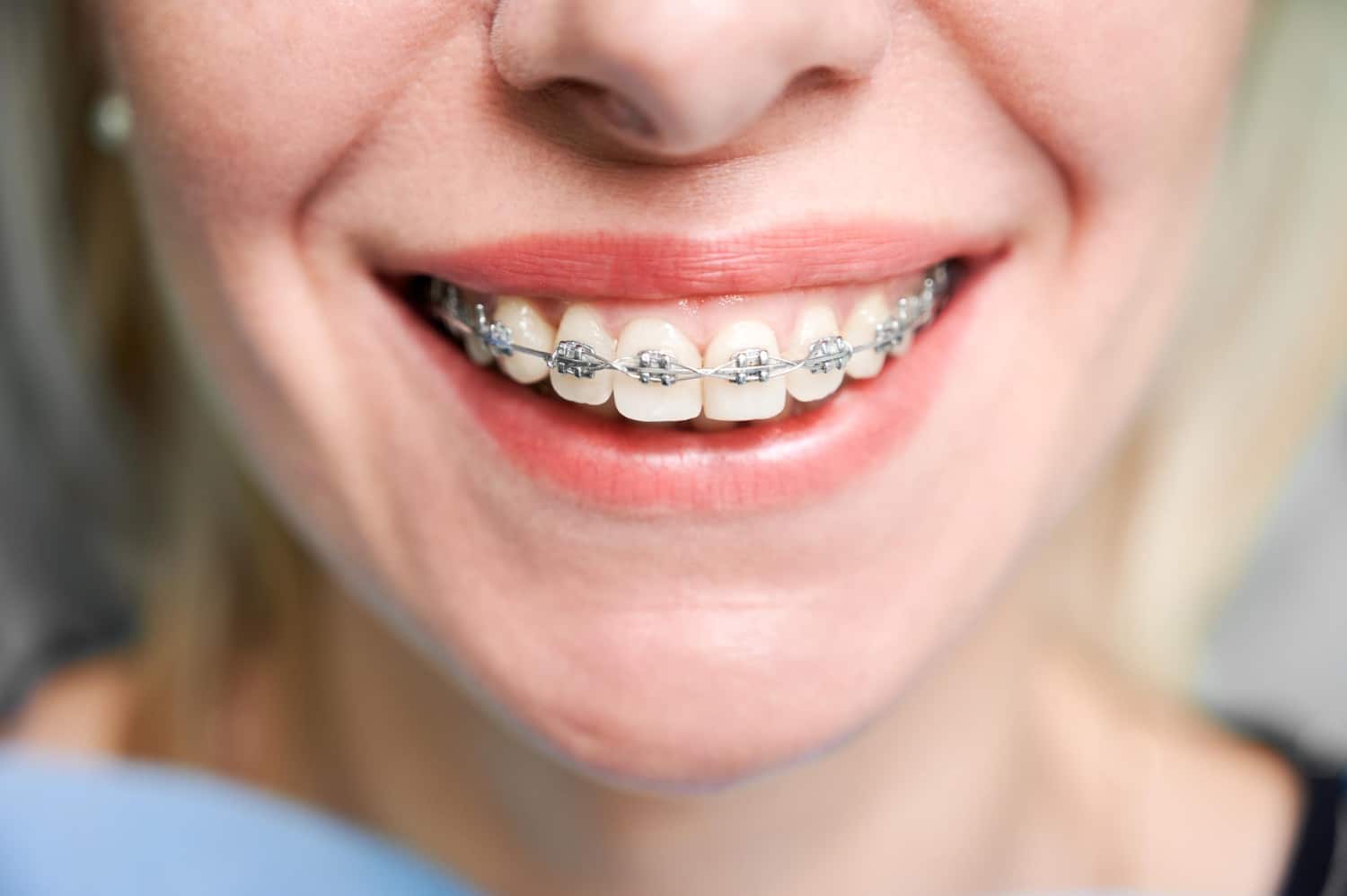
Traditional metal braces consist of metal brackets and wires. The metal wires are attached to brackets that are glued to the surface of your teeth. Traditional metallic bracing consists of brackets and metal wires running along the teeth, shifting them into place gradually. Periodic visits to your specialist are necessary to adjust the braces and monitor progress. They are frequently used for complex dental situations, including the following:
- Crowded teeth
- Misaligned teeth
- Spaced teeth
- Overbites
- Underbites
Invisalign Aligners
Clear aligners, known as Invisalign, are an approach that uses removable trays instead of fixed brackets and wires. Invisalign is used for mild to moderate tooth alignment concerns, including crowded teeth or gapped teeth. It is used in cases involving deep bites and crossbites. Consult your orthodontist to assess if Invisalign suits you or your child. The evaluation consists of photographs and X-rays to create a detailed record of the teeth. Once the scans are performed, the aligners are custom-fitted to the teeth to begin the alignment procedure.
Dental Retainers
Retainers, whether fixed or removable, are used after orthodontic treatment to help maintain tooth alignment. They support teeth in staying in their adjusted positions following braces or aligners. Removable retainers may be worn full-time or for limited periods, depending on guidance from a dental specialist, as explained on stateskaidz.com. Some retainers are made from clear plastic, while others use acrylic and wire components.
Permanent, or fixed, retainers consist of thin metal wires attached to the back of the teeth. These wires are positioned to be discreet and are not easily visible during daily activities. Routine brushing, flossing, and scheduled dental cleanings help maintain hygiene around fixed retainers. Dental tools such as floss threaders may be used to clean around bonded wires.
In some orthodontic plans, both removable and fixed retainers are used together. Wear schedules outline how long each type is used during different stages after treatment. Removable retainers may transition to nighttime use, while fixed retainers often remain in place for extended periods to support long-term alignment. Follow-up visits allow specialists to review fit, wear patterns, and overall positioning.
Visit an Orthodontist Today
There are different options for individuals pursuing orthodontic treatment. Methods such as traditional metal braces, Invisalign, or retainers may be used as sole treatments or in conjunction with other methods. Orthodontic treatment also improves overall oral health by making teeth easier to clean, reducing the risk of decay and gum disease, and alleviating jaw strain, while enhancing long-term functionality and comfort. When choosing a treatment plan, an orthodontic patient should consult their specialist. The specialist matches treatment applications to the specific dental situation. Orthodontic treatment focuses on aligning teeth and modifying dental appearance. Consult an orthodontist and schedule an initial appointment to discuss available options.